
How Early Diagnosis Can Save Your Life Importance of Regular Testing
Understanding Early Diagnosis
What Does Early Diagnosis Mean?
Early diagnosis simply means identifying a disease before it becomes severe or life-threatening. Think of your body like a car engine—if you catch a small issue early, you fix it quickly and cheaply. But if you ignore it? That minor issue can turn into a complete breakdown.
In healthcare, early diagnosis importance cannot be overstated. It allows doctors to detect diseases at their earliest stages—often before symptoms even appear. This is especially critical for conditions like cancer, heart disease, and diabetes, which can silently develop over time.
Instead of waiting for pain or discomfort, early diagnosis relies on proactive testing and screening. It shifts healthcare from reactive treatment to preventive care. And honestly, isn’t it better to prevent a fire than to put one out?
Why Timing Matters in Healthcare
Timing can be the difference between simple treatment and life-threatening complications. When a disease is detected early, treatment options are usually less aggressive, more effective, and far less expensive.
Late diagnosis often means:
- More complex treatments
- Higher medical costs
- Lower survival chances
According to the World Health Organization (WHO), early detection is one of the most effective strategies for reducing disease burden globally. This reinforces a simple truth: the earlier you act, the better your chances of recovery.
The Real Impact of Early Detection on Survival Rates
Early Cancer Detection Survival Rates Explained
Let’s talk numbers—because they tell a powerful story.
- Breast Cancer: Over 99% survival rate at Stage I, but drops to about 26% at Stage IV
- Colon Cancer: Around 92% survival when detected early, compared to 37% when advanced
- Lung Cancer: Up to 61% survival at early stages, but as low as 3–6% in late stages
These figures clearly show how early cancer detection survival rates dramatically improve outcomes. It’s not just about catching a disease—it’s about catching it when it’s still manageable.
Statistics That Show Early Detection Saves Lives
Studies reveal that a significant percentage of deaths occur due to late diagnosis. In fact, research indicates that over 70% of cancer-related deaths in developing regions are linked to late detection.
That’s not just a statistic—it’s a wake-up call.
The phrase “early detection saves lives” isn’t just a slogan; it’s backed by real-world evidence. Regular testing gives you a fighting chance—one that many people, unfortunately, miss.
Regular Health Screenings Benefits
Preventing Diseases Before They Progress
One of the biggest regular health screenings benefits is prevention. Screenings can identify risk factors and early signs of disease long before symptoms appear.
For example:
What tests can reveal:
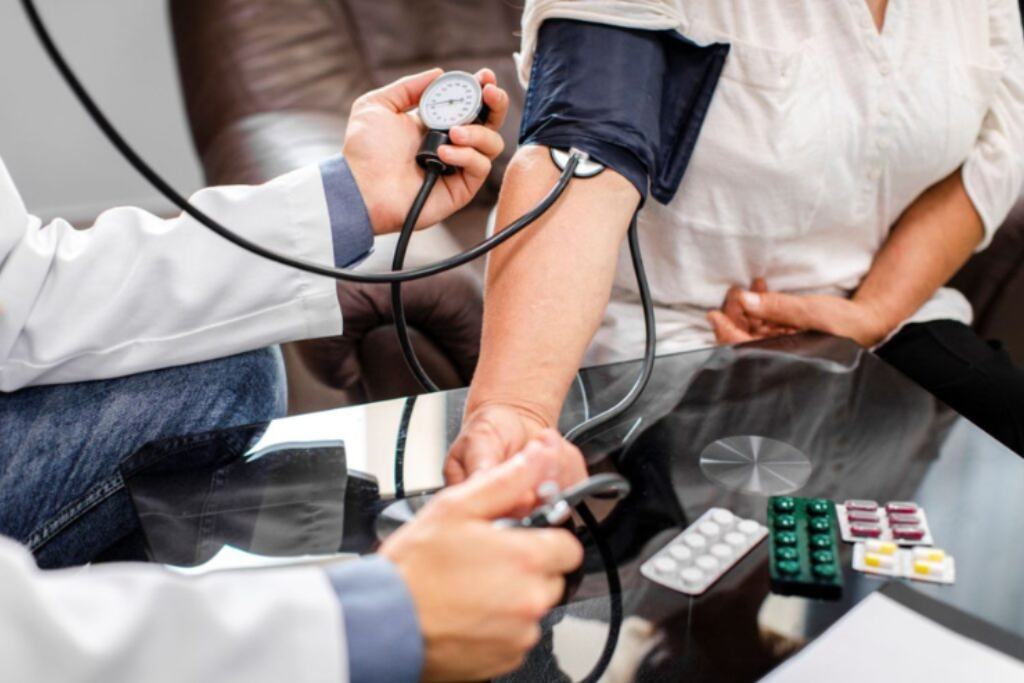
- High blood pressure can be detected before it leads to heart disease
- Elevated blood sugar levels can signal early diabetes
- Abnormal cell growth can be caught before it becomes cancer
It’s like having a radar system for your health—alerting you before danger gets too close.
Reducing Healthcare Costs and Complications
Let’s be honest—medical treatment can be expensive. But here’s the thing: preventive care is always cheaper than emergency care.
Early diagnosis reduces:
- Hospital admissions
- Length of treatment
- Need for surgeries or intensive care
In simple terms, spending a little on regular testing now can save you a lot later—not just financially, but physically and emotionally too.
Common Tests That Support Early Diagnosis
ECG and Heart Health Monitoring
An ECG test helps detect heart abnormalities early. It’s quick, painless, and incredibly valuable in identifying issues like arrhythmias or heart disease before they escalate.
Laboratory Tests for Hidden Conditions
Blood tests are like a window into your internal health. They can reveal infections, hormonal imbalances, and chronic conditions—even when you feel perfectly fine.
If you’re looking for reliable Diagnostic Services in Lagos, Nigeria choosing a center that offers comprehensive lab testing is essential for accurate results.
Ultrasound and Imaging for Internal Health
Ultrasound scans provide a safe and non-invasive way to examine internal organs. From pregnancy monitoring to detecting organ abnormalities, they play a crucial role in early diagnosis.
X-rays for Quick Diagnosis
X-rays are essential for detecting fractures, infections, and chest conditions. Their speed and accuracy make them a key tool in emergency and routine diagnostics.
Why People Delay Testing (And Why You Shouldn’t)
Fear, Cost, and Lack of Awareness
Many people avoid testing due to fear—fear of bad news, fear of cost, or simply not knowing when to go. But ignoring the problem doesn’t make it disappear.
The Risk of Waiting Too Long
Delaying diagnosis is like ignoring a leaking roof during the rainy season—it only gets worse. By the time symptoms appear, the disease may already be advanced.
The Role of Diagnostic Centers in Preventive Care
Accuracy, Speed, and Reliability
A good diagnostic center ensures:
- Accurate test results
- Fast turnaround times
- Professional interpretation
These factors are critical for making timely medical decisions and improving outcomes.
When Should You Start Regular Testing?
Age-Based Screening Recommendations
- In your 20s–30s: Basic screenings and lifestyle monitoring
- 40s and above: Regular checks for heart health, diabetes, and cancer
Lifestyle and Risk Factors
If you smoke, have a family history of disease, or live a high-stress lifestyle, you should start testing earlier and more frequently.
Why Choose Cheers Medical Diagnostic?
When it comes to accurate and affordable Diagnostic Test in Lagos, Nigeria Cheers Medical Diagnostic stands out for several reasons:
- Advanced diagnostic equipment
- Fast and reliable results
- Experienced healthcare professionals
- Patient-friendly environment
- Multiple accessible locations in Lagos
They combine technology, expertise, and care to ensure every patient gets the best possible diagnostic experience.
Call to Action: Take Control of Your Health Today
Your health isn’t something to gamble with. Regular testing gives you control, clarity, and confidence. Don’t wait for symptoms—act before they appear.
Conclusion
Early diagnosis is not just a medical concept—it’s a life-saving strategy. From improving survival rates to reducing treatment costs, the benefits are undeniable. Regular testing empowers you to stay ahead of potential health issues and make informed decisions about your well-being. The sooner you act, the better your chances of living a healthier, longer life.
FAQs
Early diagnosis helps detect diseases before they become severe, increasing survival rates and reducing treatment complexity.
It depends on your age and risk factors, but generally, annual checkups are recommended.
Yes, it helps detect risk factors early, allowing preventive measures before diseases develop.
Common tests include blood tests, ECG, ultrasound, and X-rays.
Not necessarily—early testing is often more affordable than treating advanced diseases.