
7 Warning Signs You Need an ECG Test Immediately
Introduction to ECG and Why It Matters
Have you ever felt something unusual in your chest and brushed it off as stress or fatigue? You’re not alone. Many people ignore early heart warning signs until they become serious, sometimes life-threatening. The truth is, your heart often whispers before it screams—and recognizing those whispers can save your life.
At Cheers Medical Diagnostic, a trusted provider of ECG test in Lagos Diagnostic Services in Lagos, early detection is at the core of patient care. If you want to understand your heart health better, you can explore their
ECG test in Lagos, Nigeria
What Is an ECG Test?
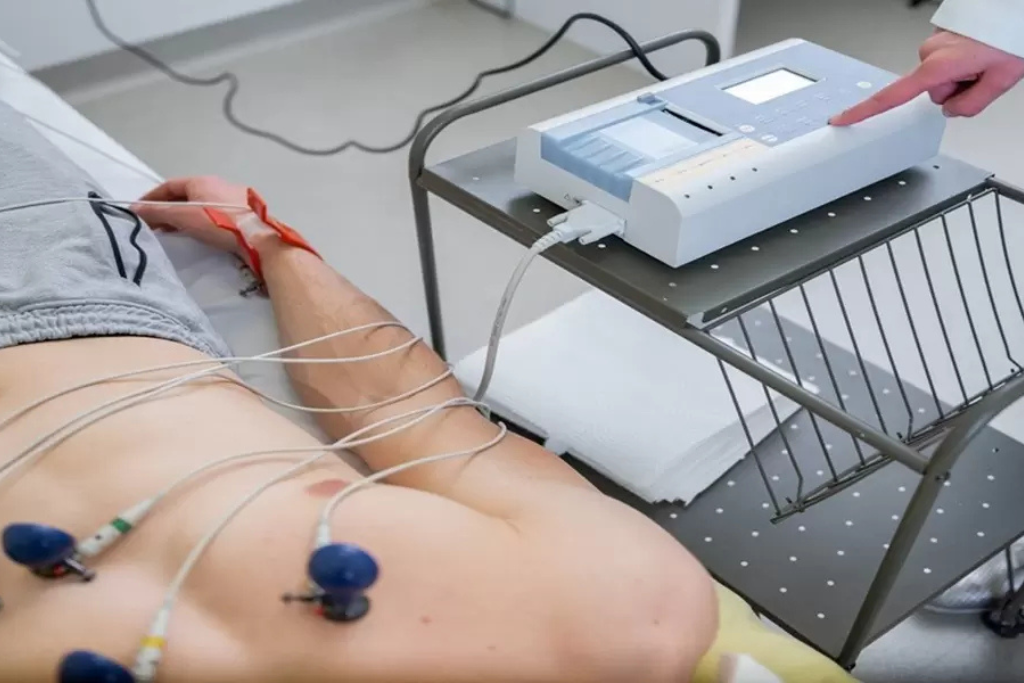
An ECG (electrocardiogram) is a simple, painless test that records the electrical activity of your heart. Think of it as a “heartbeat translator”—it shows doctors whether your heart is beating normally or struggling silently.
Why Early Detection Saves Lives
According to the CDC heart disease remains one of the leading causes of death globally. Early ECG testing can detect abnormalities before they escalate into emergencies like heart attacks or arrhythmias.
1. Persistent Chest Pain or Pressure
Chest pain is one of the most well-known warning signs—but not all chest pain feels dramatic. Sometimes it’s just a mild pressure, like someone sitting on your chest.
When Chest Pain Becomes Dangerous
If the pain:
- Lasts more than a few minutes
- Comes and goes repeatedly
- Feels like squeezing or tightness
it’s time to take it seriously. Around 6 million emergency visits annually are linked to chest pain, highlighting how common yet critical this symptom is.
2. Shortness of Breath Without Clear Cause
Struggling to catch your breath after minimal activity? That’s not something to ignore.
Hidden Heart Issues Behind Breathing Problems
Your heart and lungs work like dance partners. When one stumbles, the other struggles. Shortness of breath may indicate:
- Heart failure
- Blocked arteries
- Poor blood circulation
An ECG can quickly reveal if your heart is the culprit.
3. Irregular Heartbeat or Palpitations
Ever felt like your heart is racing, skipping beats, or fluttering? That’s what doctors call palpitations.
What Your Heart Rhythm Is Trying to Tell You
An irregular heartbeat may signal:
- Arrhythmia
- Atrial fibrillation
- Electrolyte imbalance
Ignoring this is like ignoring a car engine warning light—it won’t fix itself.
Sudden Dizziness or Fainting
Feeling dizzy occasionally might seem harmless, but frequent or sudden episodes are different.
When Lightheadedness Signals Heart Trouble
Dizziness or fainting can occur when your brain isn’t getting enough blood flow. This could be due to:
- Slow heart rate
- Irregular rhythm
- Sudden drop in blood pressure
An ECG helps pinpoint the exact issue.
5. Unexplained Fatigue or Weakness
We all get tired—but what if you feel exhausted even after resting?
Why Extreme Tiredness Should Not Be Ignored
Persistent fatigue could mean your heart isn’t pumping efficiently. It’s like trying to run a marathon with a weak engine—you’ll feel drained quickly.
This symptom is especially common in:
- Women
- Older adults
- People with underlying conditions
6. Excessive Sweating and Nausea
Breaking into a cold sweat without exercise or heat? That’s a red flag.
Silent Signs of a Cardiac Emergency
When combined with nausea, sweating can indicate:
- Heart attack
- Reduced blood flow
- Acute cardiac stress
According to studies, many heart attack patients report these symptoms before diagnosis.
7. Pain Radiating to Arm, Jaw, or Back
This is the classic “heart attack pain,” but it doesn’t always feel intense.
Recognizing Classic Heart Attack Symptoms
Pain spreading to:
- Left arm
- Jaw
- Neck
- Upper back
is your body’s alarm system. It’s your heart saying, “Something’s wrong—act now.”
When to Get ECG Immediately
If you experience any combination of the symptoms above, don’t wait. Immediate ECG testing is crucial when:
- Symptoms are sudden or severe
- You have a history of heart disease
- Symptoms worsen over time
Remember, timing is everything in heart care.
How ECG Tests Help Diagnose Heart Conditions
An ECG provides real-time insights into:
- Heart rhythm abnormalities
- Evidence of heart attack (ST-elevation)
- Oxygen supply issues
Studies show that 20% of patients show ischemia signs in prehospital ECGs, making it a powerful early detection tool.
Why Early ECG Testing Is Critical
Early testing can:
- Prevent major cardiac events
- Enable faster treatment
- Improve survival rates
Think of it as catching a fire while it’s still smoke—not when the whole house is burning.
Why Choose Cheers Medical Diagnostic for ECG Test in Lagos
Choosing the right diagnostic center can make all the difference. At
Diagnostic Center in Lagos, Nigeria
you get:
- Advanced ECG technology
- Fast and accurate results
- Experienced healthcare professionals
- Affordable diagnostic services
They also provide Diagnostic Services in Lagos, Nigeria with a patient-first approach, ensuring comfort and clarity throughout your testing process.
They also provide
Call to Action: Don’t Ignore the Warning Signs
Your heart doesn’t send alerts without a reason. If you’ve noticed any of these symptoms, now is the time to act. Book your ECG test today and take control of your health before small signs turn into serious problems.
Conclusion
Your body speaks in signals—sometimes loud, sometimes subtle. The seven warning signs discussed aren’t just random discomforts; they’re potential indicators of underlying heart issues. Acting early with an ECG test can mean the difference between prevention and emergency.
Taking that step today isn’t just smart—it’s life-saving.
FAQs
Chest pain, shortness of breath, irregular heartbeat, dizziness, fatigue, sweating, and radiating pain are key warning signs.
Immediately, especially if symptoms are severe or sudden. Delays can increase risks.
No, it’s completely painless and non-invasive.
Yes, ECG is often the first test used to detect heart attacks and other cardiac abnormalities.
Not always. Many diagnostic centers allow direct booking for convenience.